Bedside credibility
Recommendations should be able to survive a conversation with the people who will actually carry them out.
About
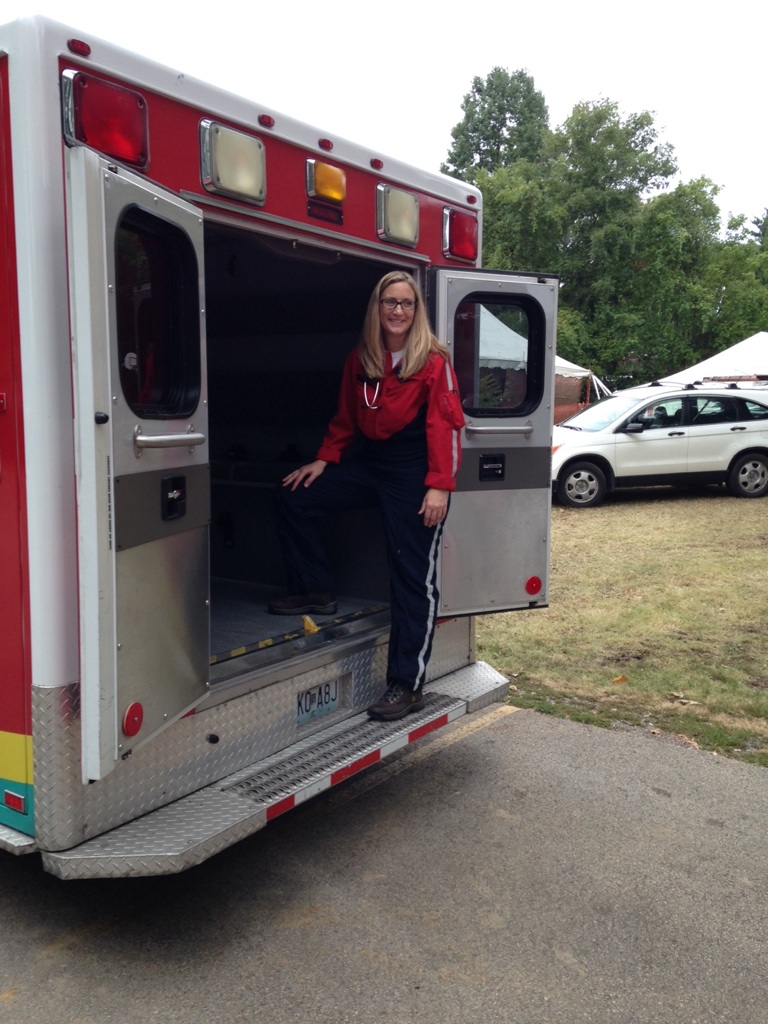
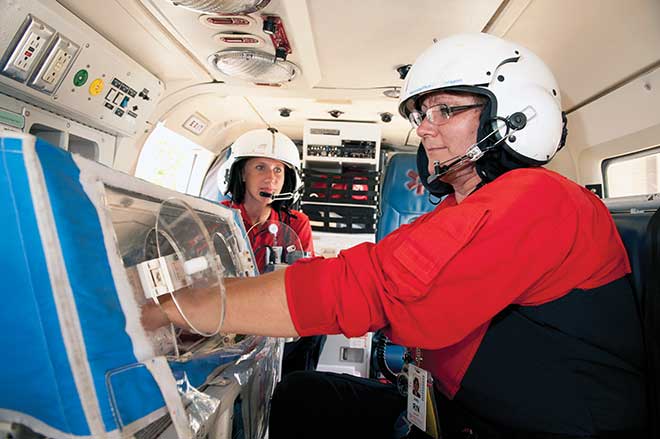
I can still remember a transport call for a 28-week premature newborn in respiratory distress while I was nearing the end of a long shift. It was at a rural hospital that only had a Level 1 nursery. The clock started the second the phone rang, since every minute counts with a baby that fragile.
In that moment I truly felt my job was not just hands-on care. I was coordinating a dozen moving parts at once. We worked with the referring hospital's nursery to start a treatment plan before we even arrived. Once on scene, we stabilized the baby: intubating, giving surfactant, placing lines, and managing equipment and medications. Then we adjusted ventilator settings mid-flight, in a moving helicopter. The whole time, we kept the NICU team updated in real time so they were ready the moment we landed.
When an RRT with a business background talks about readmission rates or compliance metrics, they are not just citing numbers. They are connecting those metrics to specific patient encounters and workflow realities. That combination of quantitative rigor and lived clinical context is valued, and it makes recommendations harder to dismiss.
Away from work and coursework, I am a mom of three boys, which means I have had plenty of practice staying calm under pressure, juggling competing priorities, and getting things done on someone else’s schedule.
Recommendations should be able to survive a conversation with the people who will actually carry them out.
Data does not replace clinical judgment: it should sharpen it.
Efficiency that burns out staff or overlooks patients; is not efficiency, it is a delay.